
Does HMDD Justify Its Cost? A Shopper’s Guide to Value for Streetwear Fans
At the moment, people shopping this space keep circling one question: can HMDD back up its pricing with real quality and design? Known in full as Happy Memories Don’t Die, the label has earned its fans on graphics that carry emotional weight, a throwback mood, and a lineup centered on cozy everyday pieces like sweatpants, shorts, hoodies, and tees. A name and a mood board, though, won’t settle the pricing question. Which is why we break down: what your money actually buys with HMDD clothing, where it delivers, where it falls short, and how it stacks up against similar streetwear labels in 2026.
A genuinely honest hmdd review has to separate the branding from the product. HMDD leans on one core emotional idea — the idea that happy memories don’t die, that a piece of clothing can carry feeling, not just fashion. That’s a compelling hook, but people paying full price want to know if the stitching, fabric weight, and fit make the cost worthwhile. We’ll look at construction, sizing consistency, drop frequency, and resale demand to give a realistic assessment rather than parroting HMDD’s own messaging.
What You’re Actually Paying For
Sitting in the mid-tier streetwear bracket, HMDD costs more than mall-brand basics while falling short of hype-fueled luxury pricing. This in-between spot is exactly where value questions get murky, since shoppers measure it against both ends of the spectrum. A fairer benchmark is other independent streetwear labels operating at similar scale — not fast fashion, and not designer collaborations.
Three factors push up the cost: fabric weight, print/embroidery technique, and limited-run scarcity. HMDD sweatpants generally rely on denser fleece fabric than what you’d find in a basic big-box hoodie set, which affects drape and how the garment holds shape after repeated washes. The print designs — often the emotional core of the “happy memories don’t die” branding — generally rely on processes that outlast a simple heat-transfer print, which becomes important for pieces worn often, not just now and then.
Limited-run releases push cost up too, since smaller production runs carry less per-unit efficiency than mass retailers get, cost that trickles down to the customer. It’s not exclusive to this brand — it’s standard across independent streetwear — but naming it directly matters, since it explains part of the www.hmdd.clothing price difference with larger chains.
Sweatpants and Shorts: The Key Test for Value
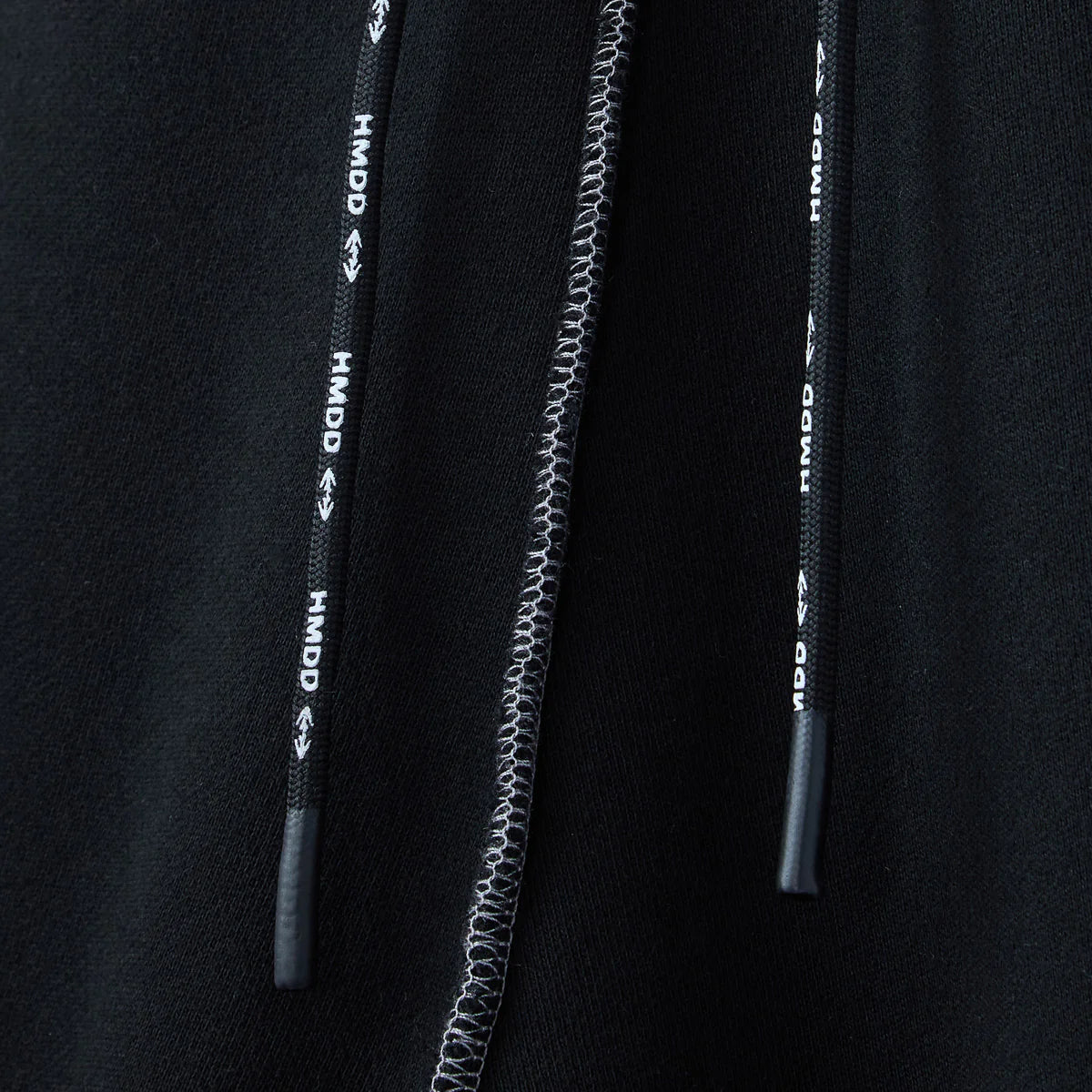
For most shoppers, hmdd sweatpants and hmdd shorts are the starting spot into the brand, and they’re also the best test of worth because they’re worn often and washed on a regular basis. Sweatpants are ultimately judged by three things: elastic waistband durability, long-term pilling resistance, and whether the cut holds its shape after repeated laundering. Short styles get judged on drawstring toughness, inseam seam strength, and whether the fabric retains its color after repeated washing.
Customers regularly point out that HMDD’s sweatpants match standard sizing with a relaxed through-the-leg cut rather than a slim taper, which counts for something if you’re used to sizing charts that lean small. Shorts follow a similar relaxed silhouette. Few shoppers give this kind of consistency enough credit — a brand that delivers a dependable fit across drops saves you the trouble and expense of sending items back, which is its own kind of worth even before you factor in the sticker price of the garment.
This is the part worth paying attention to is how often customers buy again. Rather than buying once and jumping to a competitor, satisfied HMDD sweatpants buyers tend to return for more — shorts, hoodies, and beyond. That’s a solid stand-in for how happy customers are, since streetwear shoppers have countless competing brands to choose from and don’t stick around for underwhelming products.
HMDD Versus Other Streetwear Brands: A Comparison
Figures anchor this discussion better than descriptive words can. What follows is a comparison structure across categories that matter most to shoppers focused on value: price positioning, fabric weight class, how long prints and graphics last, drop frequency, and fit consistency. These are relative rankings based on general category positioning rather than brand-specific claims not provided by HMDD directly, and they’re meant to help you get your bearings rather than function as precise specifications.
| Factor | Mass-Market Streetwear | HMDD Clothing | Luxury Streetwear |
|---|---|---|---|
| Typical Price Bracket | Low | Mid | High to Very High |
| Material Weight | Light to Mid | Mid to Heavy | Heavy |
| Print/Graphic Durability | Weaker to Moderate | Mid to High | Strong |
| Drop Frequency | Continuous | Occasional and Limited | Seasonal and Scarce |
| Fit Consistency Across Releases | Variable | Mostly Reliable | Consistent |
The point of this table isn’t to declare a champion — it’s meant to indicate where HMDD lands in the landscape. It isn’t going up against $15 fast-fashion sweatpants, nor is it attempting to pass as a $300 designer hoodie. It occupies the space where fabric and print quality meaningfully outperform starter-level basics, without making shoppers pay high-end pricing for the improvement. For many shoppers, that mid-tier position is exactly the value proposition they’re looking for.
Best HMDD Clothing Picks for Everyday Value
If you’re not sure which piece to buy first, the best hmdd clothing for price-per-wear value is generally the items you’ll really get use out of multiple times a week — not the boldest limited item.
- Sweatpants: frequent wear rotation, laid-back fit, strongest cost-per-wear value in the lineup.
- Short bottoms: strong warm-weather rotation piece, matching fit logic to the sweatpants.
- Graphic hoodies: steeper price point but longer-lasting durability due to less frequent rotation use.
- T-shirts: most affordable entry point, good for testing sizing before buying pants.
Starting with a tee is a sensible choice if you’re new to hmddla and unsure how its size range compares with your usual size. This step-by-step approach is standard guidance among streetwear shoppers dealing with any independent brand with tight exchange periods.
Where the Value Breaks Down
No label is perfect, and cost-benefit reviews don’t help much if they only focus on strengths. The chief complaints shoppers bring up about HMDD focus on drop scarcity — when a design runs dry, it may not come back at a reliable time, which can frustrate buyers who weren’t fast enough to grab a drop. That’s a genuine downside in ease, even if it doesn’t show up on a receipt.
Delivery times and return periods are the other area shoppers should weigh in their value math. This situation is unique to HMDD, but it’s part of the true expense of buying from a niche, creativity-led label rather than a mass retailer with industrial-level fulfillment.
Final Verdict: Is HMDD Worth It?
For shoppers who value fabric weight, graphic durability, and a distinct nostalgic aesthetic over rock-bottom pricing, HMDD justifies its cost more often than not. The “happy memories dont die” guiding idea isn’t just branding fluff — it is reflected in design choices that prioritize sentiment and longevity over fleeting fashion fads.
The point where you should hit the brakes is if you’re anticipating couture-grade construction at mid-range prices, or if you need assured restocks and ample return windows. Such perks simply aren’t strengths of the limited-release approach that HMDD runs on, and no honest review should claim differently. Weigh your own criteria — cost-per-wear, design alignment, and willingness to accept limited restocks — against what HMDD offers, and the cost-benefit question becomes much easier to answer for your individual situation in 2026.

You must log in to post a comment. Log in now.